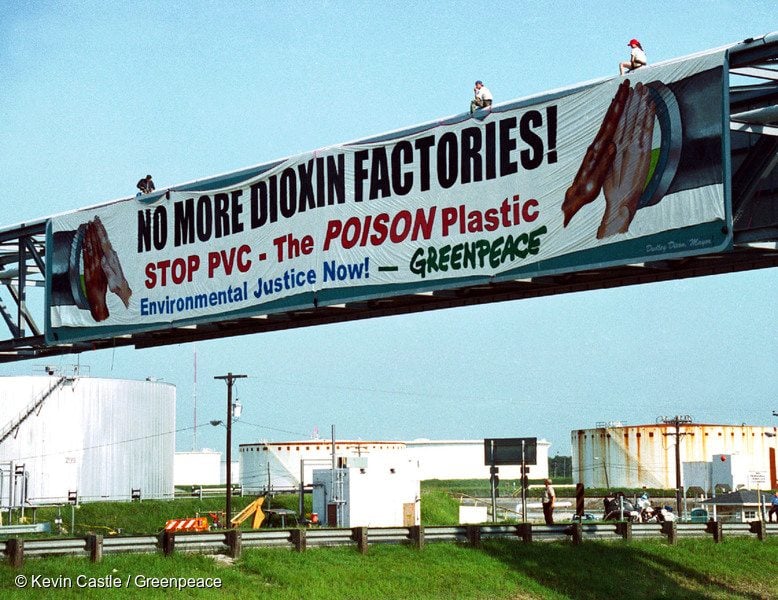
PVC is the most environmentally harmful type of plastic. Thanks to everyday consumers demanding change, it's finally becoming less common.
Polyvinyl chloride (PVC) plastic, commonly known as vinyl, has become one of the most widely used types of plastic. It is used in packaging, home furnishings, children's toys, auto parts, building materials, hospital supplies, and hundreds of other products.
PVC may be versatile and relatively inexpensive, but the price we pay for a cheap piece of PVC pipe or soft vinyl toy is much higher than it might seem.
Indeed, this banal plastic is one of the most toxic substances that saturate our planet and its inhabitants. PVC contaminates humans and the environment throughout its life cycle: during production, use and disposal. Few consumers realize that PVC is the most environmentally harmful plastic of all plastics. Since safer alternatives are available for virtually all uses of PVC, human health and the environment can be protected by replacing and eventually phasing out this poisonous plastic.
The good news is that this industrial transition can be done in a fair way for all involved: plastic producers, industrial workers and host communities. PVC can be replaced with safer materials in virtually all cases. Substitutes for PVC include traditional materials such as clay, glass, ceramics and linoleum. In cases where traditional materials cannot be used as a substitute, chlorine-free plastics are also preferable to PVC.
As consumers increasingly demand PVC-free products and as the health and environmental costs of PVC are recognised, practical alternatives are becoming more economically viable.
Source: greenpeace.org